Tracing Enrollment Incentives in Digital Gaming Transaction Networks
Written by Henrik Vogel · Jun 20, 2026
Tracing Enrollment Incentives in Digital Gaming Transaction Networks
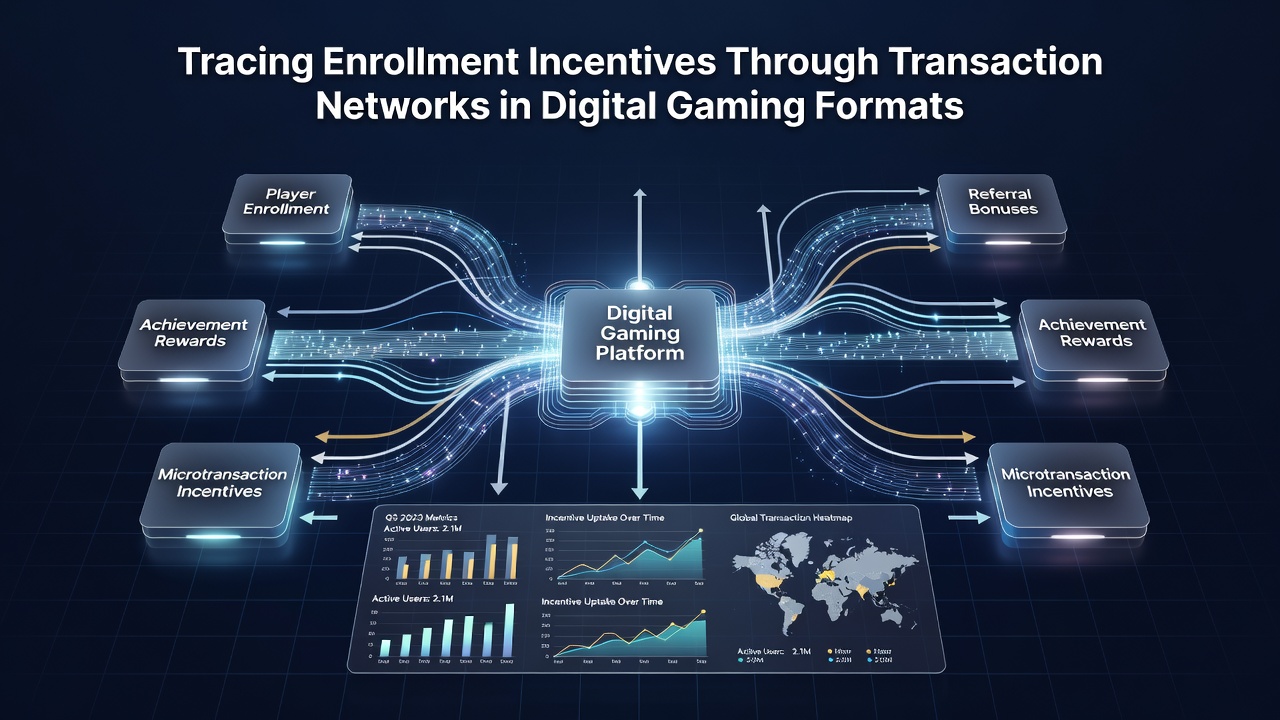
Enrollment incentives such as welcome bonuses and deposit matches move through layered transaction networks that connect gaming operators with payment processors and player accounts, and observers note that these pathways have grown more intricate since the expansion of real-time settlement systems in 2025. Data from multiple jurisdictions shows that operators allocate portions of these incentives across affiliate networks and third-party processors before the funds reach end users, which creates traceable sequences when analysts examine ledger entries and API logs.
Core Components of Incentive Distribution Systems
Operators typically seed incentive pools through corporate accounts that link directly to processor gateways, and these gateways route portions to player wallets based on enrollment triggers like first deposits or account verifications. Transaction networks record each hop with timestamps and identifiers, which allows downstream reconciliation when disputes arise or when compliance teams audit flows. Researchers at institutions such as the University of Nevada Reno have documented similar patterns in North American markets where bonus credits pass through aggregator platforms before conversion into playable balances.
Payment rails vary by region and include traditional card networks alongside digital wallets and instant bank transfers, while each rail carries distinct fee structures that operators factor into incentive sizing. Observers note that when an enrollment reward travels via an e-wallet processor the transaction often splits into an initial authorization followed by a settlement batch that clears within hours rather than days.
Mapping Flows Across Multi-Layer Networks
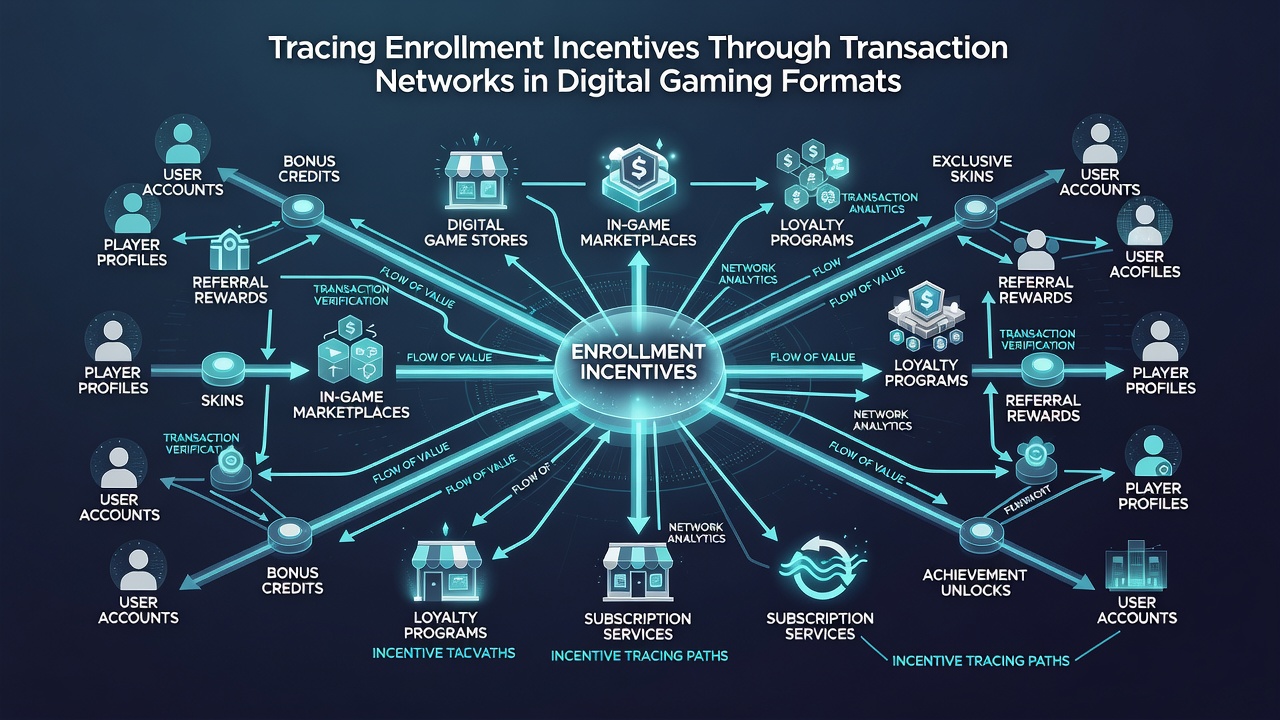
Analysts trace incentives by following unique transaction codes that originate at the operator level and persist through processor handoffs until they appear in player statements. In practice this means examining both the credit side that funds the bonus and the debit side that records wagering activity against it. Data indicates that cross-border incentives sometimes route through intermediary entities in low-regulation zones before final delivery, which adds nodes that compliance software must monitor continuously.
One documented pathway involves an operator issuing a bonus code that activates a processor-side ledger entry; that entry then links to a player account via an encrypted token, and subsequent play generates additional metadata that auditors later match against the original incentive amount. Such chains become visible when regulators request raw data exports, and figures from the Pennsylvania Gaming Control Board reveal that similar reconciliation processes handled over 2.8 million bonus-related transactions in the first quarter of 2026 alone.
Role of Affiliate and Aggregator Platforms
Affiliate networks frequently serve as the first external node after the operator releases an incentive, and these platforms receive revenue-share percentages that are calculated against player activity generated by their referral links. The funds allocated for player bonuses therefore travel alongside commission payments, which creates parallel transaction streams that analysts must separate during audits. Industry reports from the Australian Communications and Media Authority show that aggregator services processed approximately 14 percent of all enrollment incentives distributed to Australian-facing platforms during 2025.
Those who examine these networks observe that tokenization techniques now allow operators to tag individual bonus portions with metadata that survives multiple processor handoffs, and this tagging reduces the time required to reconstruct full incentive histories when needed. June 2026 updates to several aggregator protocols introduced mandatory metadata fields that capture both the source operator and the intended player segment, which has improved traceability without altering settlement speeds.
Regulatory and Technical Oversight Mechanisms
Regulatory bodies in various regions require operators to maintain immutable logs of incentive movements for set retention periods, and these logs must interface with central monitoring systems that flag unusual routing patterns. Technical standards increasingly specify API schemas that standardize how bonus credits are reported to oversight platforms, which reduces discrepancies between operator records and processor statements. Evidence from academic studies published in the Journal of Gambling Studies indicates that standardized logging correlates with faster detection of misallocated incentives across multi-jurisdictional networks.
Processor-level controls such as velocity checks and geofencing further shape how enrollment incentives reach verified accounts, and these controls generate additional data points that feed into broader network analysis tools. Observers note that when an incentive fails a geofencing rule the system automatically reverses the credit and logs the reversal as a separate transaction type, which maintains an unbroken audit trail from issuance to cancellation.
Conclusion
Tracing enrollment incentives through digital gaming transaction networks relies on persistent identifiers, standardized logging, and coordinated data exchange between operators, processors, and regulators. As settlement technologies continue to evolve, the granularity of available records supports more precise reconstruction of incentive pathways across regions. Reports from sources including the Pennsylvania Gaming Control Board and the Australian Communications and Media Authority demonstrate that systematic tracking remains feasible even as network complexity increases, provided metadata standards and retention requirements stay aligned with operational realities.