Tracing Digital Transactions Across Signup, Play, and Payout Stages in Virtual Gaming Environments
Written by Rosa Bauer · Jun 29, 2026

Tracing Digital Transactions Across Signup, Play, and Payout Stages in Virtual Gaming Environments
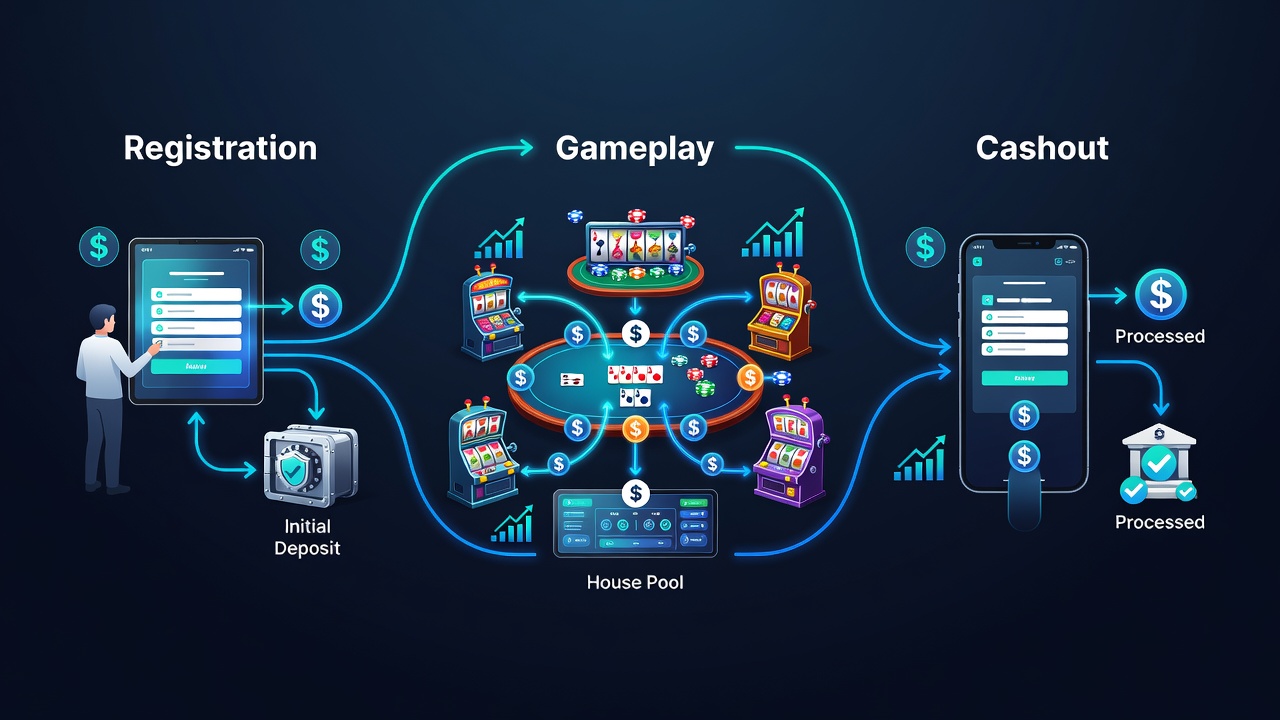
Registration marks the entry point where users establish accounts and initiate initial deposits through verified payment channels. Platforms require identity verification via documents such as passports or utility bills before processing any funds, and this step aligns with standards set by regulatory bodies like the Nevada Gaming Control Board. Once approved, players transfer money using methods including credit cards, e-wallets, or bank transfers, with systems encrypting data to prevent unauthorized access during these early exchanges.
Deposit amounts often trigger bonus eligibility, yet the core mechanics focus on routing funds into player wallets that interface directly with game servers. Research from the University of Nevada, Las Vegas shows that streamlined verification reduces average setup times to under 15 minutes in many licensed operations, while maintaining compliance across jurisdictions. Observers note that delays in this phase typically stem from manual document reviews rather than technical failures.
Gameplay Integration and Real-Time Fund Allocation
During active sessions, funds move from wallets into individual game instances where bets deduct instantly upon placement. Slot machines and table games connect through random number generators that determine outcomes, and winnings return to the same wallet balance without intermediate steps in most architectures. This seamless loop relies on application programming interfaces that update ledgers in milliseconds, ensuring players see accurate balances after each round.
Data from industry reports indicates that live dealer environments add an extra layer of synchronization between video streams and transaction logs, yet the underlying fund mechanics remain consistent with digital slots. Players select stakes that scale according to game rules, and progressive jackpot contributions siphon small percentages from each wager into shared pools across networked machines. Those who've examined transaction logs find that these allocations occur automatically through backend scripts that operate independently of user input.
Withdrawal Mechanics and Verification Protocols
Cashout requests begin when users submit withdrawal forms that trigger secondary identity checks, often repeating elements from the initial registration to confirm ongoing eligibility. Processing times vary by method, with e-wallet options completing in hours while bank transfers extend to several business days depending on the financial institution involved. Systems flag large sums for additional review, and this process incorporates risk assessment algorithms that cross-reference activity patterns against known fraud indicators.
According to figures from the Australian Communications and Media Authority, average withdrawal approval rates exceed 92 percent when documentation matches original records, though partial holds can occur if account activity shows rapid deposit-withdrawal cycles. Payment processors handle the final transfer, deducting any applicable fees before funds reach external accounts. Multiple casino networks have adopted unified ledgers that track these movements across devices, allowing users to initiate requests from mobile apps with the same security protocols applied on desktop platforms.
Security Layers and Compliance Frameworks
Encryption standards such as TLS 1.3 protect data packets throughout all phases, and two-factor authentication adds checkpoints before any fund movement executes. Regulatory updates effective in June 2026 introduced enhanced reporting requirements for cross-border transactions, prompting platforms to integrate real-time monitoring tools that flag suspicious patterns without interrupting legitimate play. These measures draw from established frameworks used in both North American and European markets to maintain consistency.
Payment gateways partner with casinos to provide tokenized card details that avoid storing sensitive information on gaming servers, reducing exposure points. Experts have observed that blockchain-based ledgers appear in select operations for audit trails, though traditional databases still dominate the majority of licensed sites. This hybrid approach supports rapid reconciliation while satisfying audit demands from oversight agencies.
Conclusion
The complete cycle from registration through gameplay to cashout forms a closed loop where each stage builds upon verified data from the previous one. Transaction volumes continue to rise as platforms refine these pathways, and integration of emerging payment technologies promises further reductions in processing intervals. Regulatory bodies across regions maintain oversight through periodic audits that verify adherence to established security and fairness protocols, ensuring fund flows remain transparent and traceable within interactive casino systems.