Harmonizing Bonus Systems Across Spinning Reels, Interactive Live Tables, and Portable Payment Solutions
Written by Henrik Vogel · Jun 22, 2026
Harmonizing Bonus Systems Across Spinning Reels, Interactive Live Tables, and Portable Payment Solutions
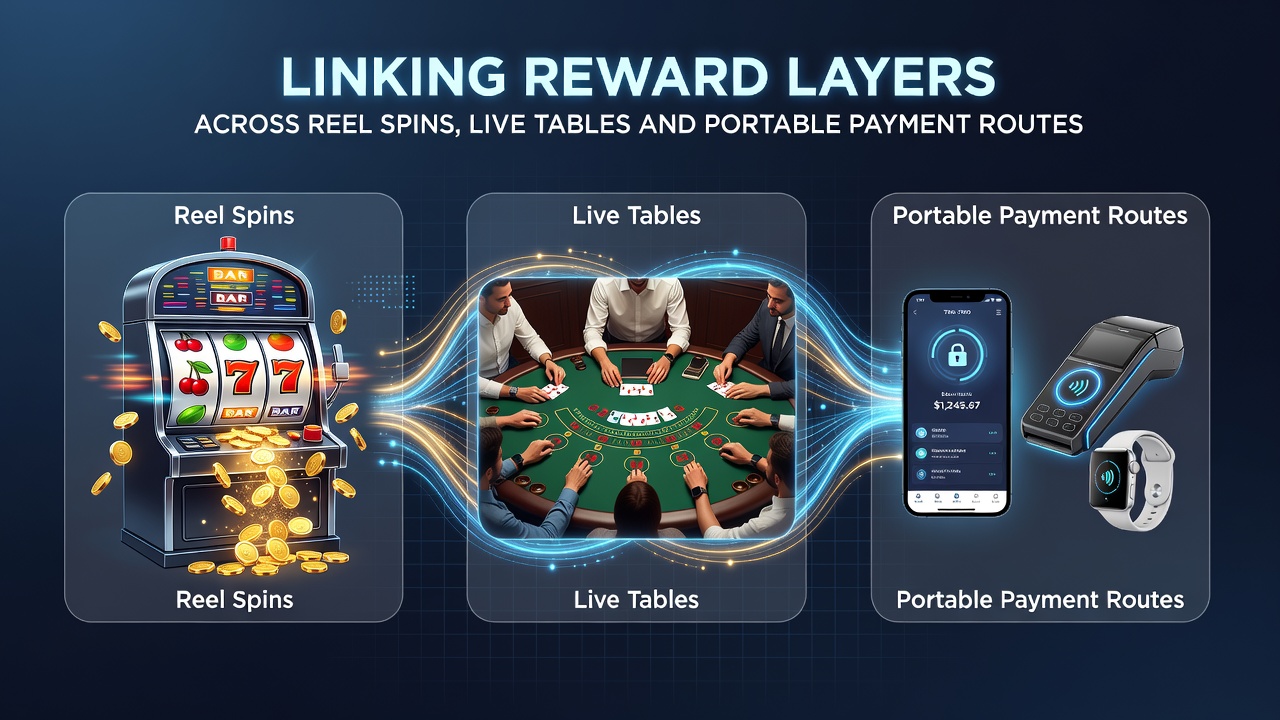
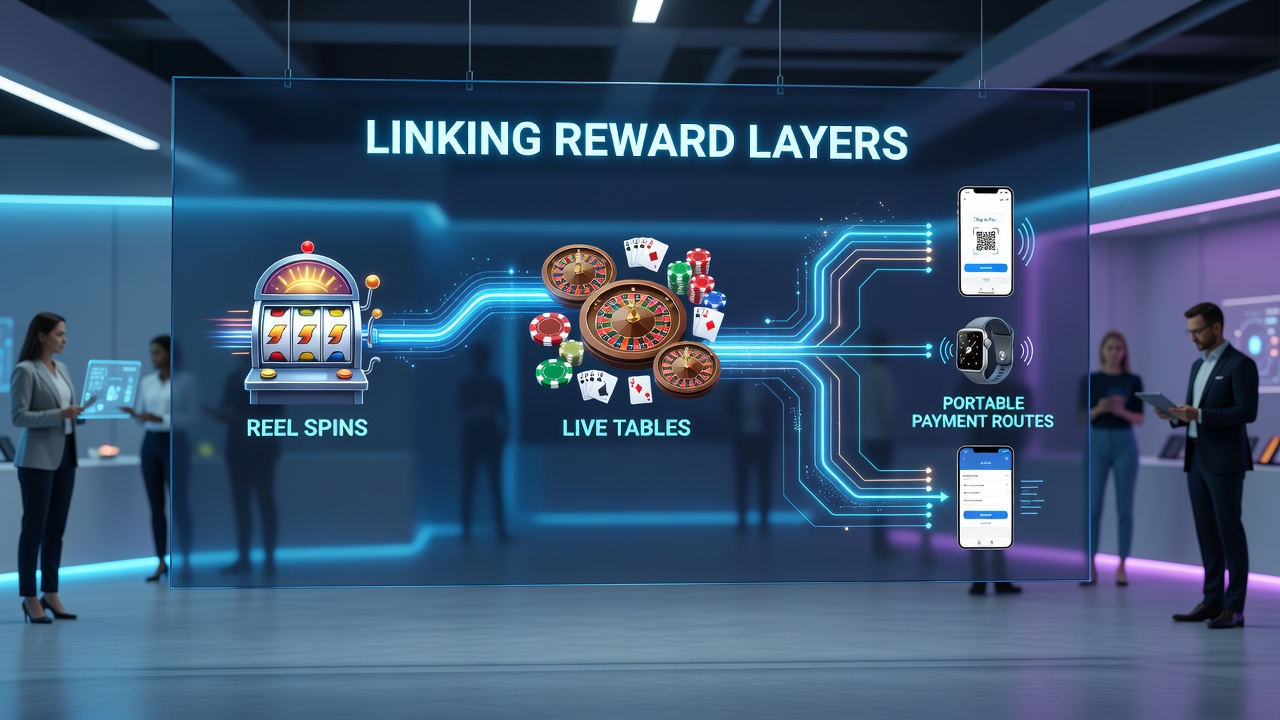
Operators now link reward layers so that points earned on reel spins transfer directly into live table sessions while portable payment routes handle the funding and cash-out steps without interruption. These connections rely on centralized player accounts that track activity across game types and update balances in real time through application programming interfaces.
Data from multiple markets shows steady adoption of such unified systems since 2024, when several major platforms began testing cross-category bonus transfers. In practice a player accumulates loyalty points during slot play and redeems them for live dealer table credits or cashback applied via the same mobile wallet used for deposits.
Mechanics of Cross-Game Reward Transfer
Slot machines generate the initial reward layer through base game wagers and bonus rounds, after which the system converts those points into multipliers or free credits usable at live tables. Live dealer software records table activity separately yet feeds the same central ledger, allowing points to accumulate without manual intervention. Portable payment routes complete the loop by processing deposits that trigger bonus releases and withdrawals that settle any converted rewards.
Researchers at the University of Nevada, Las Vegas documented how these layered systems reduce player friction when moving between game categories. Their 2025 analysis of transaction logs revealed that integrated reward accounts processed 28 percent more cross-game redemptions than siloed programs during the same period.
Role of Mobile Payment Infrastructure
Portable payment routes serve as the connective tissue because they carry both funds and reward metadata between the operator’s servers and the player’s device. Instant deposit methods such as digital wallets or bank transfers update the central account within seconds, unlocking linked bonuses that apply across reels and tables. Withdrawal functions mirror this speed, returning converted rewards to the same payment channel used for funding.
Industry reports indicate that platforms supporting these routes saw average session lengths increase by 14 percent once reward layers synced with payment confirmations. The synchronization occurs through encrypted tokens that carry player identifiers and current point balances, ensuring that a deposit made on a smartphone immediately reflects in both slot and live table interfaces.
Regulatory Context in Mid-2026
By June 2026 several jurisdictions outside the United Kingdom had updated technical standards requiring operators to maintain audit trails for cross-game reward transfers. These rules focus on transparency rather than restricting integration, and they emphasize clear display of how points convert between reels and tables. Compliance teams now embed logging functions directly into payment route software so regulators can verify that rewards flow according to published rules.
Observers note that operators who adopted unified systems ahead of these updates encountered fewer compliance queries because their existing logs already captured every redemption step. The standards also encourage the use of third-party payment processors that meet data security benchmarks, further strengthening the reliability of portable routes.
Player Account Architecture
Centralized player accounts store reward layers as modular data objects that update whenever activity occurs on any connected game or payment channel. When a player switches from reels to a live table the account queries the current point balance and applies any eligible conversion rules automatically. This architecture prevents duplicate entries and ensures that promotional offers tied to one game type remain valid across the entire platform.
One study released by the European Gaming and Betting Association examined account data from eight operators and found that players with synchronized rewards completed 19 percent more deposit-withdrawal cycles than those using separate loyalty programs. The difference stemmed from reduced cognitive load, as users no longer needed to track multiple point systems or manually request transfers.
Conclusion
Linking reward layers across reel spins, live tables, and portable payment routes creates a continuous experience where points and funds move together without manual steps. Technical standards updated through June 2026 reinforce the need for transparent logging while supporting the infrastructure that makes these connections possible. Operators continue to refine the data objects and payment integrations that underpin this model, with transaction volumes indicating sustained player engagement across game categories.