Decoding How Bonus Layers Influence Transaction Timelines Across Digital Table and Slot Platforms
Written by Henrik Vogel · Jun 27, 2026

Decoding How Bonus Layers Influence Transaction Timelines Across Digital Table and Slot Platforms
Bonus structures in digital gaming environments create layered conditions that directly shape how quickly players complete deposits and access withdrawals on both slot and table platforms. These layers typically include deposit matches, free spin allocations, and cashback mechanisms, each carrying distinct wagering multipliers that extend or compress transaction windows depending on game category and platform rules. Data from regulatory filings indicate that slots often carry higher playthrough thresholds than table games, which in turn stretches the period between initial funding and eligible payout requests.
Layered Bonus Mechanics and Their Core Components
Operators deploy multiple bonus tiers simultaneously, where a single deposit might trigger a match percentage alongside free spins and ongoing cashback. Each tier attaches separate terms that accumulate into overall requirements, and those requirements dictate when funds transition from restricted to withdrawable status. Research from the University of Nevada Gaming Lab shows that combined multipliers across layers frequently reach 30x to 50x on slot volumes while table game equivalents settle closer to 10x to 20x, producing measurable differences in average timeline completion rates.
Transaction processing itself splits into deposit verification and withdrawal approval stages, yet bonus conditions overlay additional review gates. Deposits clear rapidly in most cases, often within minutes when using established payment rails, but bonus activation initiates the clock on wagering progress that must reach completion before withdrawal requests receive processing. Platforms track these progressions through automated systems that flag accounts once thresholds are met, and any shortfall triggers continued restrictions.
Comparative Timelines: Slots Versus Table Games
Slot platforms process bonus-related transactions on schedules influenced by high-volume spin counts required to clear multipliers, whereas table environments allow faster progress through lower per-hand requirements and different contribution percentages. Figures released in industry analyses reveal that average slot bonus clearance spans 5 to 14 days under standard play patterns, while table game equivalents often conclude within 2 to 7 days when players focus on qualifying bets. These variances stem from game mathematics rather than operator discretion, since slot return-to-player percentages interact with bonus structures in ways that prolong required activity periods.
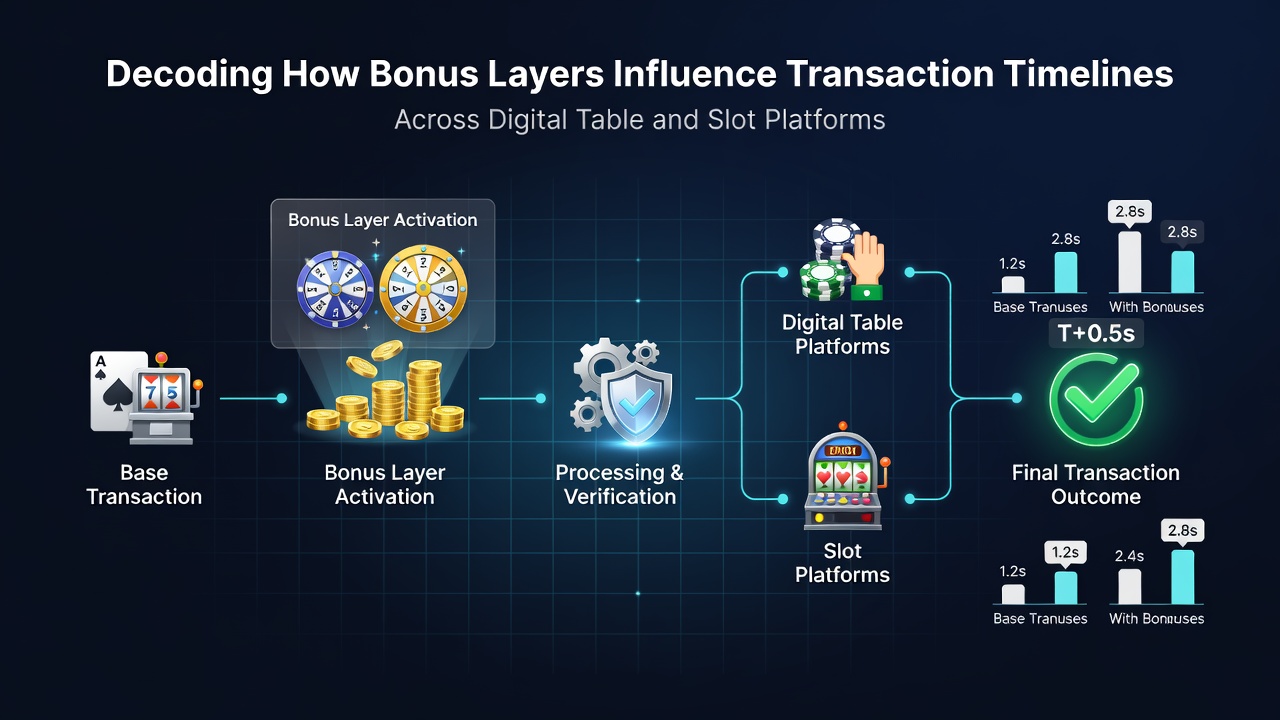
Payment method selection further modulates these timelines once wagering clears. E-wallet options typically accelerate final withdrawal stages compared with bank transfers, yet bonus layers still impose the initial gate that determines eligibility regardless of funding channel. Observers note that platforms offering tiered bonuses for both game types maintain separate tracking ledgers, allowing players to shift between slots and tables while the system recalculates remaining requirements in real time.
Platform Architecture and Automated Monitoring
Digital systems integrate bonus engines directly with transaction ledgers, so any deposit that activates layers automatically updates account flags visible to both players and backend compliance teams. This integration ensures that withdrawal attempts during active wagering periods receive automatic holds, and clearance occurs only after verification confirms full multiplier satisfaction. Studies conducted by the Canadian Centre for Gaming Research highlight that such automated checkpoints reduce manual intervention yet extend overall timelines when players split activity across multiple game categories without monitoring cumulative progress.
June 2026 brought updated reporting standards from several North American jurisdictions that now require operators to publish average clearance durations segmented by bonus type and game vertical. These disclosures show consistent patterns where slot-heavy bonus usage correlates with longer median timelines compared with table-focused activity, providing transparent benchmarks that platforms must meet or explain.
External Factors Affecting Timeline Variability
Regional payment regulations intersect with bonus conditions to create additional friction points, particularly when cross-border transactions trigger extra verification layers. Industry reports from the Australian Gambling Research Centre document how bonus structures interact with these external rules, often adding 24 to 72 hours to withdrawal processing even after wagering completion. Players who maintain consistent activity patterns across both slots and tables sometimes achieve faster overall timelines by balancing contributions, since table games frequently count at higher percentages toward total requirements.
Security protocols add another dimension, since large bonus-triggered wins prompt enhanced due diligence regardless of game type. These checks occur after wagering thresholds are satisfied and can extend timelines by several business days when documentation review becomes necessary.
Conclusion
Bonus layers function as structured overlays that systematically govern transaction progression across digital slot and table platforms through defined multipliers and automated tracking mechanisms. Evidence from multiple regulatory and academic sources demonstrates that slot environments generally impose longer clearance periods than table settings due to differing wagering mathematics, while payment method choices and external compliance factors introduce further variability once core requirements are met. These interactions remain measurable through published operational data and continue to shape how platforms structure both player experiences and backend processing flows.