Charting Registration Sequences That Bind Table Game Incentives to Disbursement Standards
Written by Rosa Bauer · Aug 10, 2026
Charting Registration Sequences That Bind Table Game Incentives to Disbursement Standards
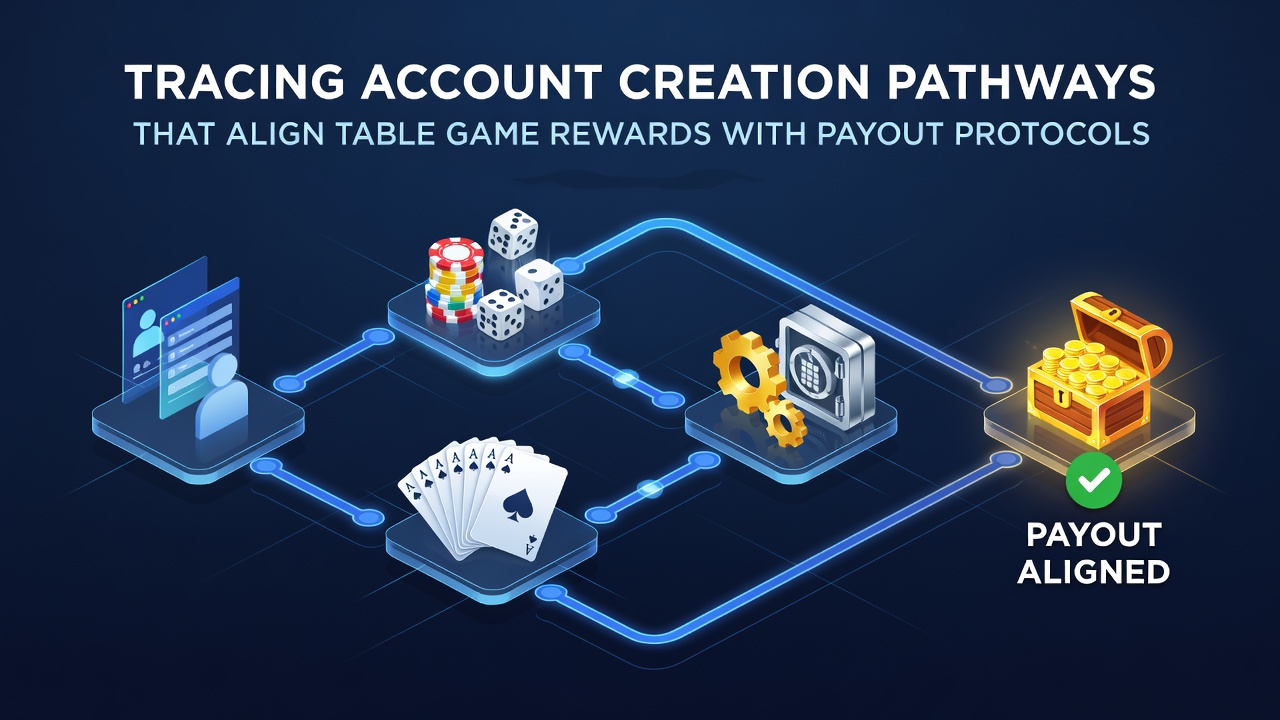
Account creation in digital gaming environments follows structured sequences that connect player registration directly to reward allocation for table games such as blackjack and roulette while ensuring compatibility with established payout protocols. These pathways begin with identity verification steps that feed into bonus assignment systems, allowing platforms to align promotional credits for table play with withdrawal rules enforced by technical and regulatory frameworks. Data collected in 2026 shows registration completion rates rising when verification integrates with reward triggers early in the process, reducing friction later during fund movements.
Initial Registration and Verification Layers
Players enter basic details including name, address, and payment method during signup, after which automated checks cross-reference information against external databases to confirm eligibility. Systems then generate unique player profiles that carry forward into game-specific modules, where table game rewards activate only once verification reaches a defined threshold. This setup prevents mismatches between earned incentives and later payout requests because the same data fields govern both reward eligibility and disbursement approval. Observers note that platforms updated their verification protocols in August 2026 to include additional biometric options, shortening average account activation times by several minutes while maintaining security standards.
Reward Assignment for Table Games
Once accounts clear initial checks, algorithms assign table game incentives based on deposit amounts and play preferences recorded during onboarding. These rewards appear as wager credits or cashback percentages tied explicitly to games like poker variants or baccarat, with conditions such as minimum playthrough requirements embedded in the profile data. The alignment occurs because payout protocols read the same metadata used for reward creation, ensuring that any bonus funds meet clearance criteria before release. Research from university gaming labs indicates that integrated systems lower error rates in reward redemptions compared with separate bonus engines, as the unified database eliminates conflicting rule sets.
Integration Points Between Rewards and Payouts
Technical handoffs occur at multiple stages where reward balances transfer into withdrawal queues only after table game activity satisfies predefined thresholds. Payment gateways query the central account record to confirm that incentives originated from verified deposits and met game-specific rules before processing requests. When discrepancies arise, the system flags accounts for manual review, routing them through the same verification path established at creation. Figures reveal that such linked pathways handled millions of transactions monthly across major operators by mid-2026, with alignment reducing reversal incidents that previously stemmed from mismatched bonus tracking.
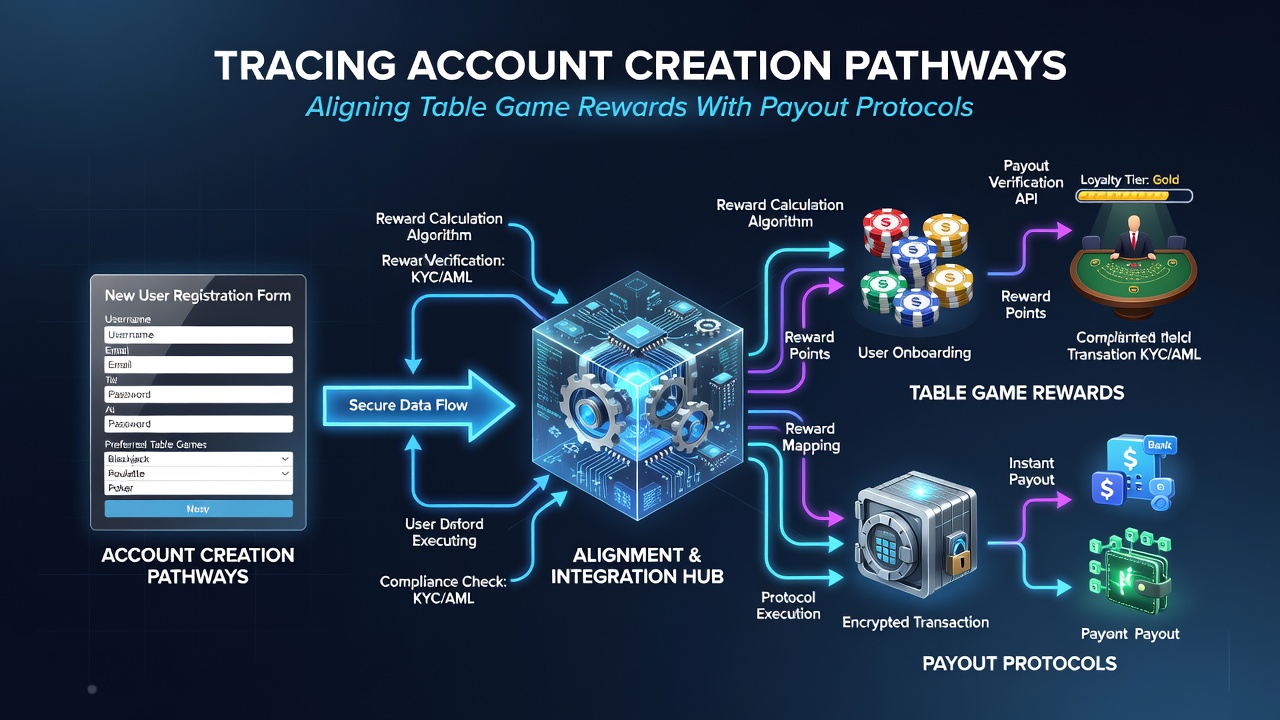
One documented case involved a platform that revised its signup sequence in early 2026 to embed payout rule summaries directly into the registration confirmation screen. This adjustment allowed players to review conditions for table game rewards at the moment accounts formed, cutting subsequent support queries related to bonus expiration and withdrawal delays. The change also synchronized with updated API connections that pushed verified reward data straight into disbursement ledgers without intermediate conversion steps.
Technical Standards and Data Handling
Modern platforms rely on standardized data schemas that tag every reward entry with identifiers matching those used in payout engines. These tags carry details such as source deposit, game category, and clearance status, enabling seamless queries during cashout attempts. Industry reports compiled by the University of Nevada, Las Vegas gaming research center highlight how consistent tagging across registration and payout stages supports compliance audits while preserving transaction speed. Additional findings from the Canadian Gaming Association note similar patterns in cross-border operations where unified pathways accommodate varying regional disbursement requirements without separate account branches.
Updates rolled out in August 2026 introduced enhanced logging features that record each handoff between reward modules and payout processors, creating audit trails that trace back to the original registration event. Such records prove useful when platforms reconcile player balances after extended table game sessions involving multiple bonus layers.
Conclusion
Registration sequences that embed table game reward logic within payout protocol structures continue to evolve through incremental technical refinements rather than wholesale redesigns. The pathways established during account creation remain central to maintaining consistent incentive delivery and fund release across diverse gaming environments, with ongoing adjustments in verification and data tagging supporting smoother operations observed through 2026.